Demand Background
As one of the most important types of disease that jeopardizes human health, cardiovascular disease has been evaluated with its risk level and the safety and effectiveness of interventional therapy from the initial morphological evaluation to the evaluation of mechanical function because, on the one hand, the research based on computational biomechanics can make up for the inadequacy of statistical analysis of clinical data and improve people’s understanding of the pathophysiological changes and progression of vascular diseases to a certain extent; on the other hand, computational mechanics studies can provide information on blood flow velocity, pressure, wall shear stress, wall tissue internal stress in the vascular.
Solution
Digital Heart Simulation Platform is a customized heart and cardiovascular system simulation and calculation platform developed by IBE and Tsinghua University. Through the simulation calculation of the heart and blood vessels, functional indicators are added on the basis of traditional imaging anatomical indicators to provide better solutions for assisted diagnosis of cardiovascular diseases, disease management, assisted surgical decision-making, and prognosis assessment. The platform covers simulations of diverse bodily areas, such as the aorta and left atrium, facilitating personalized modeling and simulation functionalities like systems for heart failure left ventricular assist device (LVAD) implantation surgery and simulations of cardiogenic strokes triggered by atrial fibrillation. These functionalities advance cardiac disease diagnosis and treatment from the age of anatomy into the age of functionality, ensuring comprehensive and precise individualized therapy.
- Heart failure left ventricular assist device implantation surgical system
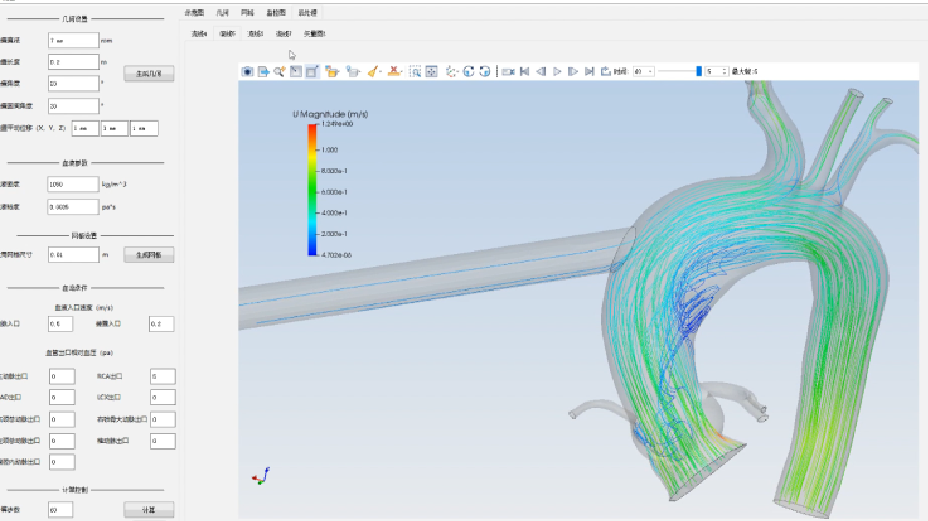
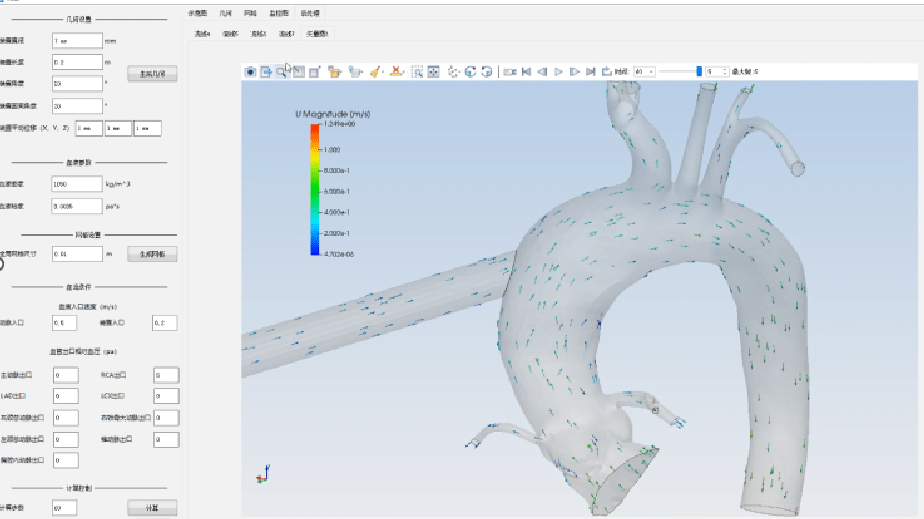
- Disease description: Reduced left heart function, resulting in insufficient power to pump blood from the left ventricle into the aorta, requiring implantation of an assist device to connect the aorta.
- Clinical need: Left ventricular assist device implantation surgery mainly depends on the doctor’s experience instead of a scientific and quantitative basis.
-
Solution: Before the operation, postoperative blood flow distribution will be simulated to optimize the design of the surgical plan.
- Prediction of cardiogenic stroke caused by atrial fibrillation
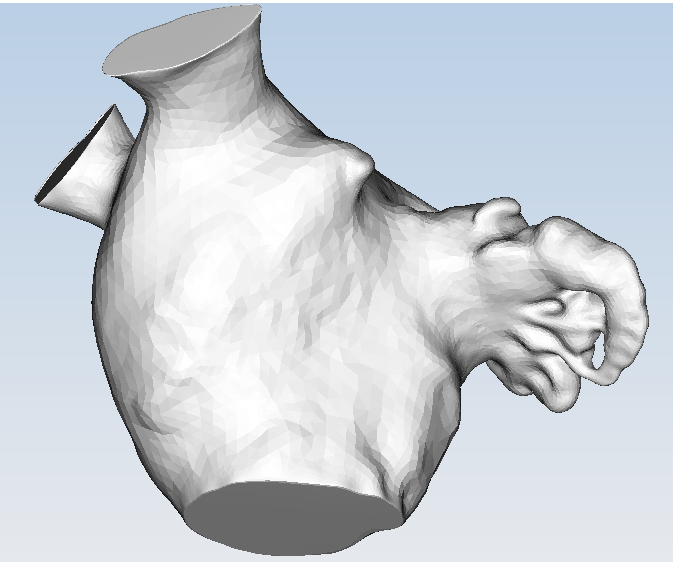
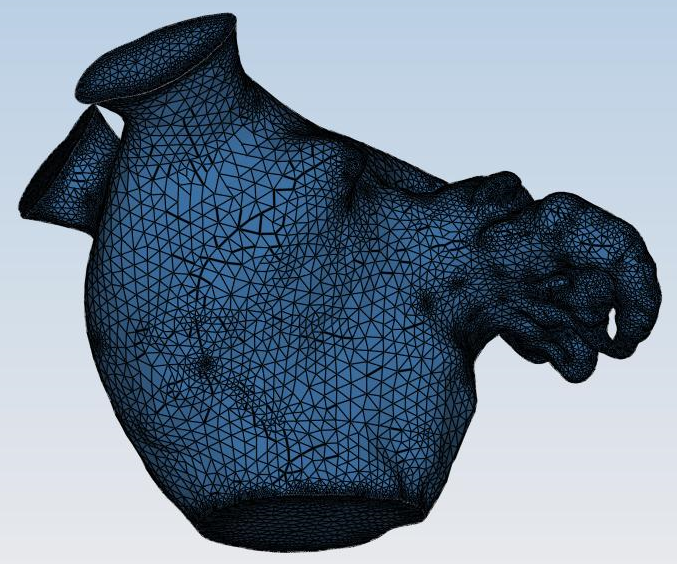
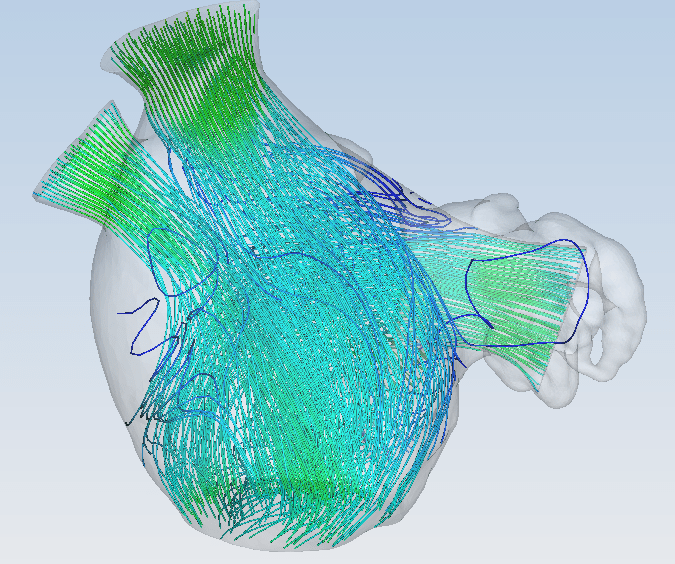
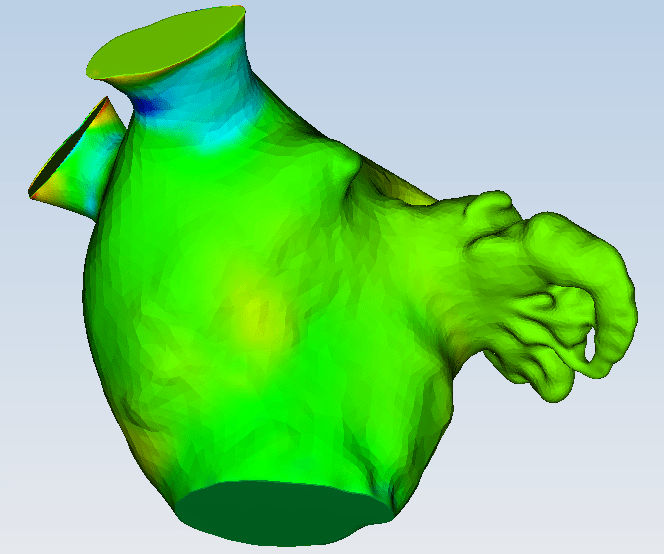
- Disease description: In the low velocity area of the left auricle for patients with atrial fibrillation, it is prone to form thrombus, the dislodgement of which can lead to cardiac stroke.
- Clinical need: Whether to block the left auricle mainly depends on the doctor’s subjective judgment of the patient’s left auricle location and morphology instead of the objective.
- Solution: Hemodynamic simulation of the left atrium and left auricle of patients with atrial fibrillation can predict the formation and dislodgement of thrombus, and provide a basis for the need for left auricle blockade surgery.
Future Applications
Through cardiovascular modeling and biomechanical simulation calculations of patients, we can analyze the morbidity risk of patients, realize early prevention, early detection, early treatment, and save patients’ lives in time. The digital cardiac simulation platform is committed to promoting the diagnosis and treatment of cardiac system diseases from the age of anatomy into the age of functionality, and comprehensively realizing the individualized and precise diagnosis and treatment of cardiac system diseases.